
Dialysis is mostly utilized to offer an artificial replacement for failing kidney function as a life-saving therapy for end-stage renal failure patients. Unfortunately, some patients do succumb due to negligence medical care during dialysis care. Kidney failure, or renal disorder, is treatable with regular dialysis every two to three times. Without routine dialysis, which eliminates toxins in the bloodstream, the problem is benign. Lungs may fill up with fluid, and they are in danger of cardiac arrest when their potassium level becomes too high.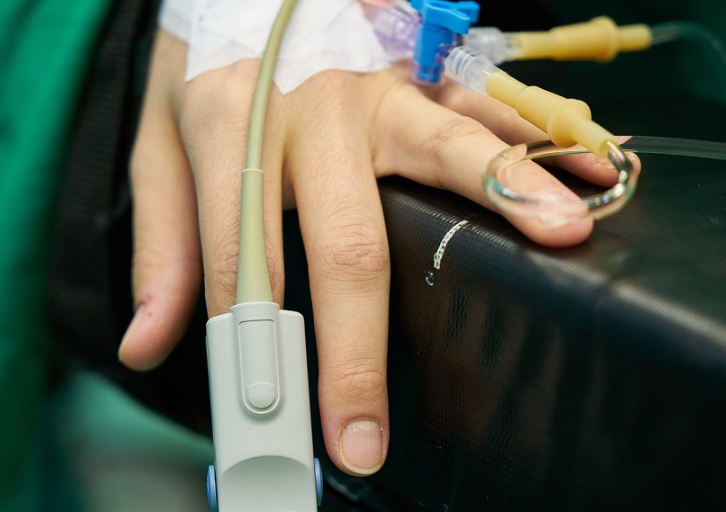
Peritoneal Dialysis
The exchange of dialysis fluid has to be performed carefully to prevent the spread of diseases. The regular management of the catheter and accessibility to the peritoneum leads to an elevated probability of illness. Infections that hit the peritoneum may be severe, and sometimes acute ailments of the peritoneum may be life-threatening. Peritoneal dialysis in the long term may cause fluctuations in the membrane hence causing it to no longer behave as a dialysis membrane as it used to. The hernia is just another problem that could happen because of the fluid load from the gut cavity.
HemoDialysis Process
Since most renal failure patients pass small or no pee, hemodialysis often entails fluid elimination. If an excessive amount of fluid has been removed, it may result in unwanted effects like low blood pressure, fatigue, chest discomfort, leg cramps, and nausea. First use Syndrome is an infrequent but intense response to the artificial kidney. Dialysis is the sole solution; don’t search for alternative therapy and waste your resources.
Bottom Line
It’s more trying for your attendant unless he stays using a simulation problem to address. Additionally, dialysis occurs in change surroundings. You’ll be blessed if you receive day or morning changes. Night dialysis is screwing for you and your loved ones as you find yourself coming to the house half-dead in the middle of the night. But in both kinds of dialysis, peritoneal, and hemodialysis, the individual can experience specific side effects in the treatment.

 Obesity is a major problem in the United States and worldwide. In fact, it has more than doubled worldwide since 1980. In 2016, over 650 million adults were obese. That’s nearly 13% of the world’s population. What’s even more alarming is that obesity rates are rising. In the last 40 years, obesity rates have increased by 27% for adults and 47% for children. If current trends continue, by 2030, one in five adults will be obese.
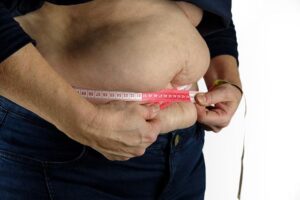 Maintaining a healthy weight is important for your overall health. Obesity puts you at risk for developing serious health conditions, like heart disease, stroke, and type II diabetes. Losing even a small amount of weight can help reduce your risk of developing these conditions. Maintaining a healthy weight is important for your health and your wallet. If you are overweight, talk to your doctor about ways to lose weight safely.
 The second natural herb for eye infection is calendula. It is considered quite soothing for both the inside and the outside of the eyes’ skin. It can also alleviate swelling, itching, and inflammation. Calendula is also a safe recommended herb to cure pink eyes, minor infections from pollution as well as allergies. Use calendula as an eyewash or compress to treat your eye problems.
 Besides chamomile tea, mint tea is also utilized as a treatment of eye infections. It is because mint tea has been used for holistic healing, along with the goal of comfort. No wonder it is one of the best herbs for eye diseases. However, how mint tea can cure eye infection is different from chamomile tea. If chamomile is utilized as an eyewash, mint tea could be used as a warm compress under the eyes to relieve redness and itching. In this case, you can use the mint tea bags as a compress, but first, soak them in boiled water for a couple of minutes. After that, take the tea bags and put them in plastic bags. Ensure to cool them in the refrigerator for about twenty minutes before it is ready to use as a compress on your eyes for ten minutes.