
Health The Connection Between Sleep, Weight Loss, and Metabolism

The Connection Between Sleep, Weight Loss, and Metabolism

Sleep plays a much larger role in weight management than most people realize, influencing hunger hormones, metabolism speed, and how efficiently the body stores and burns energy. When rest is insufficient or inconsistent, cortisol levels rise, and appetite cues become harder to regulate, increasing the likelihood of cravings and overeating. Many wellness guides offer better sleep tips to help improve nightly rest, but understanding the science behind sleep and metabolic balance is what leads to more effective lifestyle changes. With stronger sleep habits, the body can recover properly, manage energy use more efficiently, and support healthier weight goals.

How Sleep Influences Metabolic Rate

sleeping woman

Your metabolism relies on predictable rest to regulate calorie use and repair tissues. During deep sleep, cells repair themselves, muscles recover, and metabolic activity resets. Without those hours, the body shifts into conservation mode, burning fewer calories and storing more as fat. This change does not happen dramatically overnight but gradually as poor sleep accumulates. Some people assume they can make up for lost hours on weekends, though the body responds best to consistent nightly rhythms. Keeping bedtime stable helps your metabolic rate stay active rather than sluggish, ultimately supporting healthy weight management.

Why Hormones Matter for Appetite Control

craving food

Sleep is directly linked to appetite hormones such as leptin and ghrelin. Leptin signals fullness, while ghrelin encourages hunger. After inadequate rest, leptin drops and ghrelin rises, which explains why you might feel hungry even after eating normally. Those hormonal shifts increase cravings for quick-energy foods, especially sugar and refined carbs. That does not mean you lack discipline; it simply reflects how the body compensates when tired. More consistent sleep helps restore hormone balance, making it easier to recognize natural hunger cues rather than reacting to fatigue. Once hormones stabilize, food choices feel less like a battle.

How Better Sleep Supports Weight Loss Efforts

weight loss

Even the best meal plan and workout routine struggle against chronic exhaustion. When tired, the body produces more cortisol, a stress hormone that encourages fat storage and makes appetite unpredictable. Rest helps lower cortisol levels, making weight reduction feel more natural rather than forced. In addition, well-rested muscles perform better during exercise, improving calorie burn without extra effort. Instead of focusing solely on diet or gym schedules, pairing both with consistent sleep creates smoother progress. That combination turns weight loss from a fight into a steady lifestyle shift with fewer setbacks.

Sleep, weight loss, and metabolism are more connected than most people realize. Adequate nightly rest helps balance hunger hormones, supports muscle recovery, stabilizes metabolic function, and helps maintain steady energy levels. When rest becomes consistent rather than occasional, cravings ease, and calorie use becomes more efficient. Instead of treating sleep as a leftover task, view it as a core part of your health plan. A predictable bedtime can make food decisions easier, workouts stronger, and weight goals more achievable without constant struggle.


Related Post

man

Essential Tips for Student-Athletes During COVID-19 QuarantineEssential Tips for Student-Athletes During COVID-19 Quarantine

Student-athletes around the world are experiencing a great change in their lives in this unprecedented Covid-19 pandemic quarantine. As a result of COVID-19, athletes who practice sports in the spring are involved at the end of their season for their own safety and for the safety of others who should prevent the spread of the virus. The need to assign security is something that schools must do, but the immediacy of the transition has left most students little time to prepare for change. These tips are resources that student-athletes can use to help them modify their changes for this transition period and focus on improvement at the end of the period.

Student-athletes training

Refocus to Beat the Feelings of Fear and Uncertainty

However, there is the expectation of continuing to do their courses online, but unfortunately, the possibility of participating in competitive sports does not exist today. Whoever supports the students – the athletes – in a range of skills will show them that we are all in this together. This is where we are not fully aware of how much the COVID 19 pandemic can affect the daily routine. One suggestion to address these feelings could be to reorient and anchor yourself to healthy habits and routines that have been suspended from the mission to continue.

Make a Schedule to Stay in Shape and Fit

athletesThe fact that domestic policy is promoted does not mean that productivity should decrease. The development of a list or timetable can help to monitor objectives. This list could also include a routine of physical and mental activities to keep fit, even if there is no exercise or play. Student-athletes may also need to consider using digital platforms to win others over and believe in their plans.

Listen to Your Body

During their studies at university, student-athletes are trained to scrutinize their overall performance. The food they eat and the amount of sleep they receive each night can significantly affect their mood, thoughts, and emotions. Sometimes things can come slowly, and we do not notice mood swings, especially in isolation. If you are a student-athlete who has not slept much during school days, use the extra time to rest and recover physically and emotionally. This is a time when working on self-awareness and listening to your body’s signals can be a fantastic advantage.

Talk About It

athletes trainingIt is good to talk to different people in community service and mental health professionals who can offer support strategies at any time of change. Younger student-athletes can expect to return to their sport when colleges and schools begin to practise their sport again. It may have taken an older student-athlete to finish the session without much of their game and the usual faculty experience. Find a space where there can be a calculating recognition and acceptance of the current situation from a non-judgmental perspective. This time can help student-athletes reflect and figure out what is best for them during this period. The use of these suggestions can be useful in this particular modification.
Squash

Squash in the Context of Ketogenic DietSquash in the Context of Ketogenic Diet

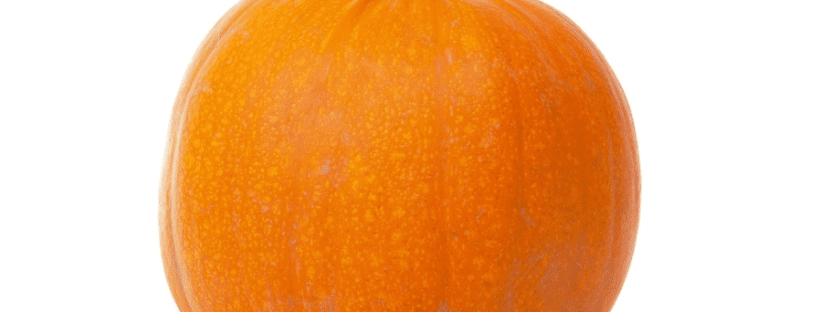
Is squash ketogenic? Squash is a family of plant vegetables available in different variants – winter and summer variants. Vegetables like squash are recommended on keto because they are low in calories and are packed with nutrients. Under each of the mentioned varieties, there are numerous subspecies of squash. An important point to clarify is that not all types of pumpkin can be included in keto. Normally, summer varieties of squash tend to have a lower carbohydrate content than winter varieties.

Squash

On the other hand, squash varieties could also be included in keto, regardless of their high content. If they are part of a low carbohydrate diet, it is better to use them. This article examines some of the different varieties of squash and whether they are occasionally used on keto.

Types of Squash for Keto

As already mentioned, there are different types of squash. However, since the keto diet requires low carbohydrate foods, you should consume a squash that meets low carbohydrate requirements, unless you want the keto to be effective

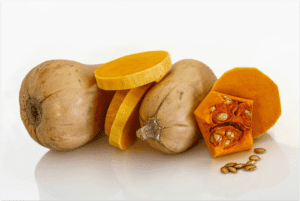
Butternut Squash: This contains a high amount of carbohydrates, about 12.6 grams. In addition to its high carbohydrate content, butternut squash is also an excellent source of minerals and fiber beneficial for the whole body. The high carbohydrate content can still gain some ketosis, especially in men and women who are not sensitive to carbohydrates and can remain in ketosis if large amounts of carbohydrates are present.

Zucchini: This is the hottest and easiest summer version to buy. This version of the pan is low in carbohydrates and calories. It could be incorporated into many keto foods in many different ways. Zucchinis taste great and can be combined with a high-fat meal to preserve ketosis. They can also be used as a substitute for pasta dishes, which contain an unhealthy amount of carbohydrates that could lead to increased glucose levels. 

Spaghetti Squash: Like zucchini, it can also be combined with a high-fat meal to meet a keto diet requirements. As the title suggests, it has a consistency similar to spaghetti after cooking and can be prepared immediately. When used in large amounts, it can increase the number of carbohydrates to the extent that exceeds the recommended daily carbohydrate limit for keto diets. Since this pan also appears to be refrigerated, it could also be used as a substitute for spaghetti and other pasta dishes.

Benefits of Squash on Keto

Butter SquashMany health benefits could result from using the squash during ketosis. Different variants of squash can improve intestinal function. Butternut Pumpkin is very rich in fiber, and this fiber is very important for intestinal function. When dietary fiber is present in food, it lifts most of the stool, making it easier to pass through the body.
 

Eating squash can help provide energy – this is especially true for those varieties that are high in carbohydrates. As mentioned, even people who are not sensitive to carbohydrates can integrate a high carbohydrate pan into their food. Also, athletes or people who train while maintaining their ketogenic diet have the opportunity to take full advantage of these variations before or after a training program.

Depending on the variant consumed and how much is consumed at once, squash can be considered keto. It contains desirable health benefits that make their inclusion on keto effective. The summer variants have lower carb content than the winter variant; hence they can be keto.

Draft horse illness

Four Common Health Issues in Draft HorsesFour Common Health Issues in Draft Horses

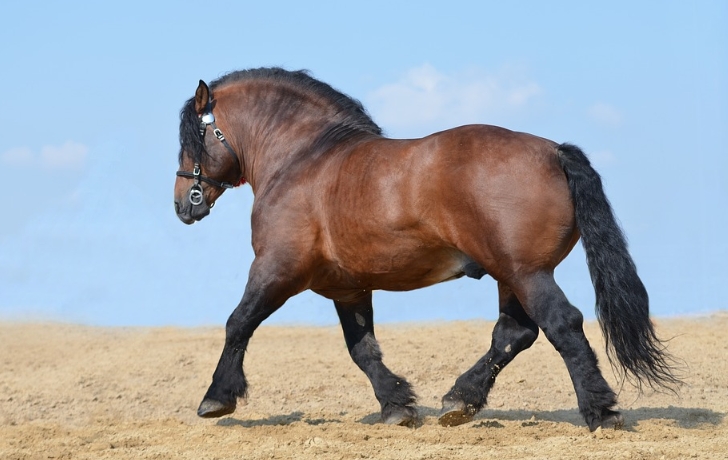
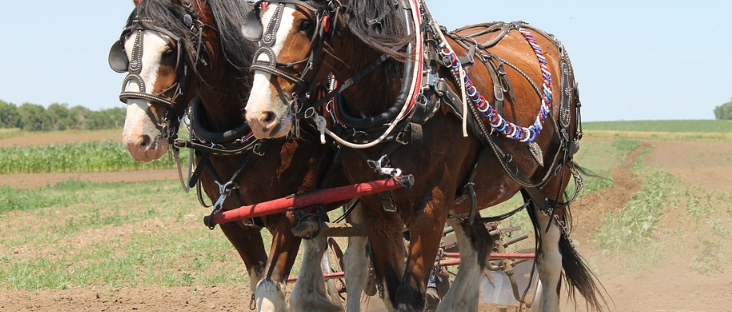
Draft horses are famous as they look magnificent. More people are getting this type of horse breed. However, they are less aware that draft crossbreds are susceptible to specific health problems entirely different from purebred horses. Those diseases are Azoturia, Shivers, Grease Heel, and Junctional Epidermolysis Bullosa. These health issues can result in severe pains in a different area of the horse. However, it’s crucial to reduct horse pain by knowing how to prevent diseases and treat your horses if these diseases occur. Here are four common health issues in draft horses, along with their remedies.

Draft Horse

Junctional Epidermolysis Bullosa

The fatal disease causes foals to die at birth in a single week. The skin’s length cannot yet be one by one, and the hairs and skin spots begin to rub off into larger and larger spots. The moment you know you have JEB, a foal should be put to sleep because it is a debilitating disease.

Azoturia

Draft horseIt usually happens after the horse has had the time and then back to work. The horse shows severe pains and muscle aches. If the horse is designed to continue working, the symptoms get worse, and the horse falls. The horse may die from kidney failure because the kidneys cannot filter out enzymes that are released into the bloodstream in the nerves.

In the past, many drugs such as steroids, muscle relaxants and supplements have been used to treat the horse once it had a function. The EPSM diet has been shown to be useful in preventing further episodes when starting in the early stages of the disease. Exercise can also be important in the recovery of horses with canker sores.

Shivers

Shiver is a neuromuscular condition found in draft horses. Shivers are easy to diagnose due to symptoms. The horse cannot bend backward because the hind legs are bent upwards. It is speculated about age, whether the chill is hereditary, whether neurological lesions cause it due to infectious diseases such as flu or nausea, or whether it is caused by trauma. The treatment is limited to massage, acupuncture, and exercise. Unfortunately, the thrill is usually a chronic disease that gets progressively worse as the horse remains functional.

Grease Heel

Grease heel is a kind of dermatitis located on the back of the pastern of your horses. This is sometimes a less acute condition than the other types mentioned but can be consistent with breeds of draught horses that have wonderful plumage. It is most commonly found on the legs of the trunk. It is believed that very long hair on the back of the crosier, together with constant humidity and poor hygiene, may be the cause. It has been there for some time before being noticed.

The remedy includes cutting away all the long hair and washing the area with warm water soap. An excellent home remedy for medium cases would be to cover the affected area with an ointment consisting of a slice of Neosporin, a cortisone cream, and two elements of zinc oxide (baby diaper ointment). Injections of antibiotics If left untreated, these will spread around the coronary ring under the forefoot.