

Student-athletes around the world are experiencing a great change in their lives in this unprecedented Covid-19 pandemic quarantine. As a result of COVID-19, athletes who practice sports in the spring are involved at the end of their season for their own safety and for the safety of others who should prevent the spread of the virus. The need to assign security is something that schools must do, but the immediacy of the transition has left most students little time to prepare for change. These tips are resources that student-athletes can use to help them modify their changes for this transition period and focus on improvement at the end of the period.

Refocus to Beat the Feelings of Fear and Uncertainty
However, there is the expectation of continuing to do their courses online, but unfortunately, the possibility of participating in competitive sports does not exist today. Whoever supports the students – the athletes – in a range of skills will show them that we are all in this together. This is where we are not fully aware of how much the COVID 19 pandemic can affect the daily routine. One suggestion to address these feelings could be to reorient and anchor yourself to healthy habits and routines that have been suspended from the mission to continue.
Make a Schedule to Stay in Shape and Fit
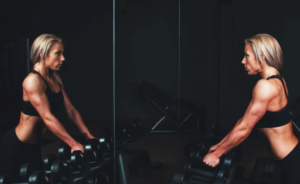 The fact that domestic policy is promoted does not mean that productivity should decrease. The development of a list or timetable can help to monitor objectives. This list could also include a routine of physical and mental activities to keep fit, even if there is no exercise or play. Student-athletes may also need to consider using digital platforms to win others over and believe in their plans.
Listen to Your Body
During their studies at university, student-athletes are trained to scrutinize their overall performance. The food they eat and the amount of sleep they receive each night can significantly affect their mood, thoughts, and emotions. Sometimes things can come slowly, and we do not notice mood swings, especially in isolation. If you are a student-athlete who has not slept much during school days, use the extra time to rest and recover physically and emotionally. This is a time when working on self-awareness and listening to your body’s signals can be a fantastic advantage.
Talk About It
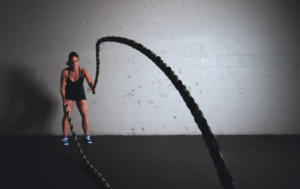 It is good to talk to different people in community service and mental health professionals who can offer support strategies at any time of change. Younger student-athletes can expect to return to their sport when colleges and schools begin to practise their sport again. It may have taken an older student-athlete to finish the session without much of their game and the usual faculty experience. Find a space where there can be a calculating recognition and acceptance of the current situation from a non-judgmental perspective. This time can help student-athletes reflect and figure out what is best for them during this period. The use of these suggestions can be useful in this particular modification.
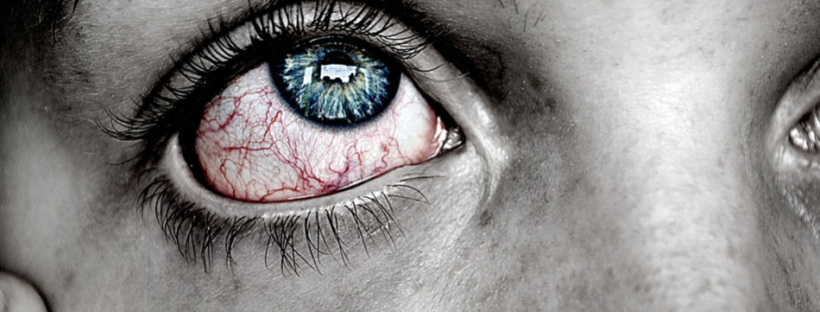
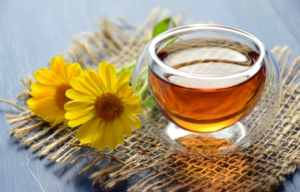 The second natural herb for eye infection is calendula. It is considered quite soothing for both the inside and the outside of the eyes’ skin. It can also alleviate swelling, itching, and inflammation. Calendula is also a safe recommended herb to cure pink eyes, minor infections from pollution as well as allergies. Use calendula as an eyewash or compress to treat your eye problems.
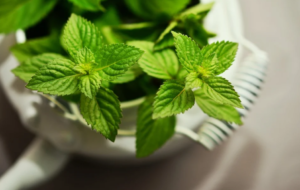 Besides chamomile tea, mint tea is also utilized as a treatment of eye infections. It is because mint tea has been used for holistic healing, along with the goal of comfort. No wonder it is one of the best herbs for eye diseases. However, how mint tea can cure eye infection is different from chamomile tea. If chamomile is utilized as an eyewash, mint tea could be used as a warm compress under the eyes to relieve redness and itching. In this case, you can use the mint tea bags as a compress, but first, soak them in boiled water for a couple of minutes. After that, take the tea bags and put them in plastic bags. Ensure to cool them in the refrigerator for about twenty minutes before it is ready to use as a compress on your eyes for ten minutes.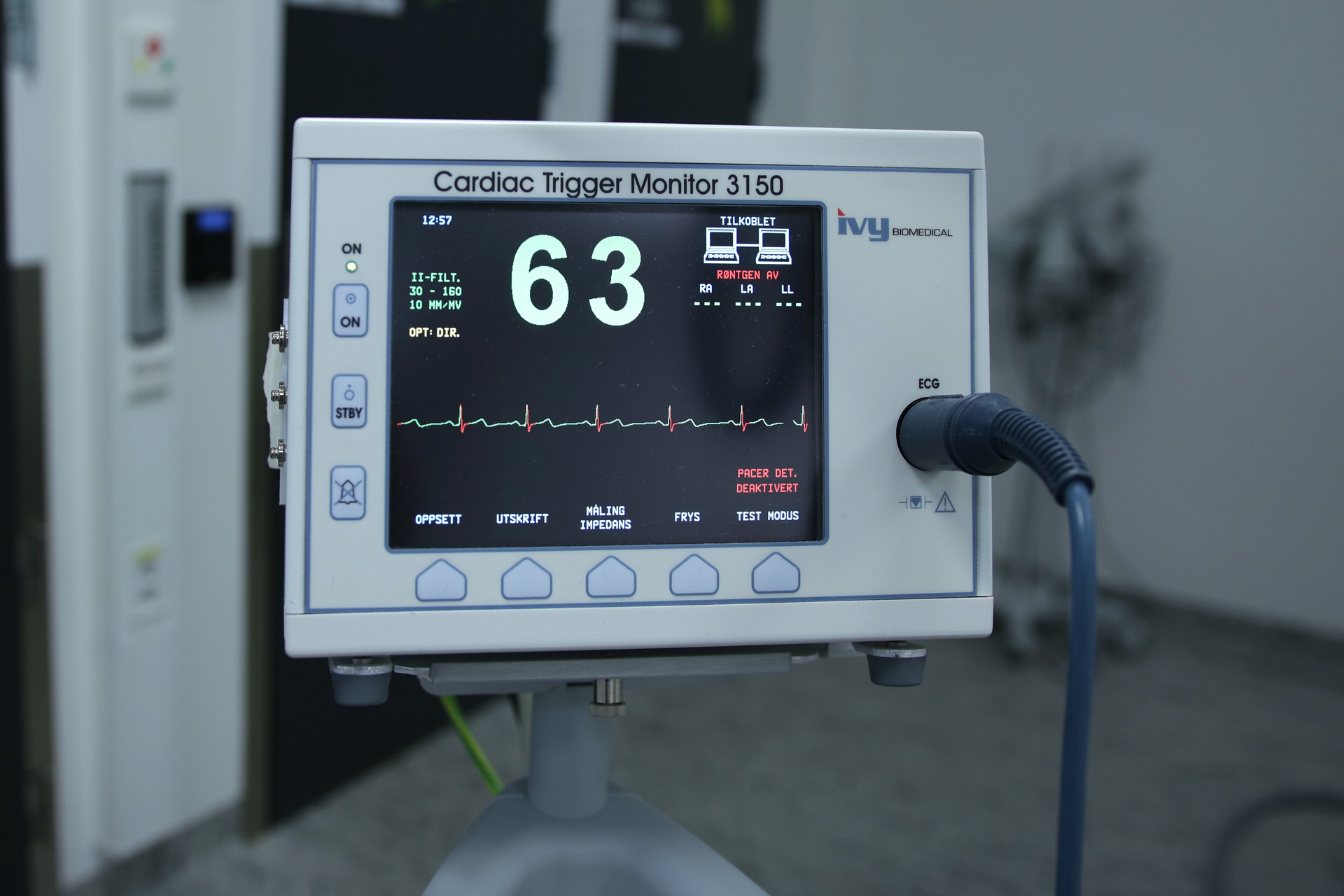
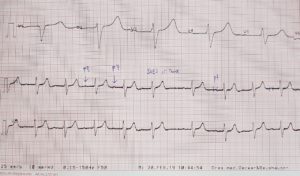 Depending on where in the heart the problems occur, there are many dozens of different types of specific arrhythmics that can be found on the ECG printout. Irregular heart patterns are named after the area where the abnormality occurs and whether the abnormality involves faster or slower movement than usual.
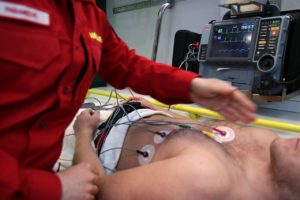 In real life, there is always electrical noise around us. One of these important noise elements is the 60 Hz noise that comes from electrical wiring in buildings in the United States, and the 50 Hz noise in Europe. This noise, plus some others, probably microwave noise from cell phones and wireless networks, can be usefully incorporated into the signal of a basic ECG simulator.
 If you don’t have a healthy diet, it can be difficult to get started with this type of strategy. If you want to live the best lifestyle possible, then you must follow these tips to start eating fitter. Get rid of foods that don’t fit into a healthy list. Don’t stock junk foods and soda drinks out of your home to keep you away from temptation. If you can’t bear to throw away sweets, consider keeping something on hand, like chocolate chips. Eating some won’t destroy your daily diet, but it will also give you that little refreshment you love so much.
 Maintain Good Health
 Make smart choices when eating out. Control your portions by asking for lunch sizes or splitting your meal in half. Eating healthy while traveling can be difficult. If you eat right, you will also combat the diseases you’re prone to when you travel, and you’ll be awake to enjoy your travels. Other instances where you may feel pressured to eat are at work, when the boss orders everyone to eat during a meeting, or when you have to serve a customer.